For many years, success in education was measured primarily by academic performance. Students were encouraged to focus on passing examinations, earning good grades, and obtaining certificates. While academic excellence remains important, the world is changing rapidly, and today’s learners need much more than good grades to thrive.
As technology continues to transform industries and create new opportunities, employers and society increasingly value skills that go beyond traditional classroom knowledge. The future belongs to individuals who can learn, adapt, innovate, and solve problems.
In my experience as an educator and technology entrepreneur, I believe there are five critical skills every student should develop alongside academic achievement.
1. Critical Thinking
Information is more accessible today than at any other time in history. With a few clicks, students can access answers to almost any question. However, the ability to think critically, evaluate information, and make informed decisions remains invaluable.
Students must learn how to ask questions, analyse situations, identify problems, and evaluate possible solutions. Critical thinking enables young people to navigate complexity and make sound decisions in an increasingly information-driven world.
2. Communication Skills
The ability to communicate effectively is one of the most important skills anyone can possess.
Whether speaking, writing, presenting ideas, or collaborating with others, strong communication skills help students express themselves clearly and confidently. Great ideas often remain unnoticed if they cannot be communicated effectively.
Students should be encouraged to develop both verbal and written communication skills from an early age.
3. Creativity and Innovation
The future will reward those who can create value and think differently.
Creativity is not limited to artists, musicians, or designers. It is the ability to generate new ideas, solve problems in unique ways, and see opportunities where others see obstacles.
In a rapidly changing world, innovative thinking will continue to be one of the most valuable assets any individual can possess.
4. Digital Literacy
Technology has become an integral part of modern life. Regardless of the career path a student chooses, digital literacy is no longer optional.
Students should understand how to use technology responsibly, safely, and effectively. They should be familiar with digital tools, online collaboration, information management, cybersecurity basics, and emerging technologies such as Artificial Intelligence.
Digital literacy empowers learners to participate meaningfully in today’s digital economy.
5. Problem-Solving Skills
Many of the opportunities of the future will belong to people who can identify problems and develop practical solutions.
Problem-solving requires persistence, curiosity, adaptability, and resilience. It encourages students to think beyond memorisation and focus on application.
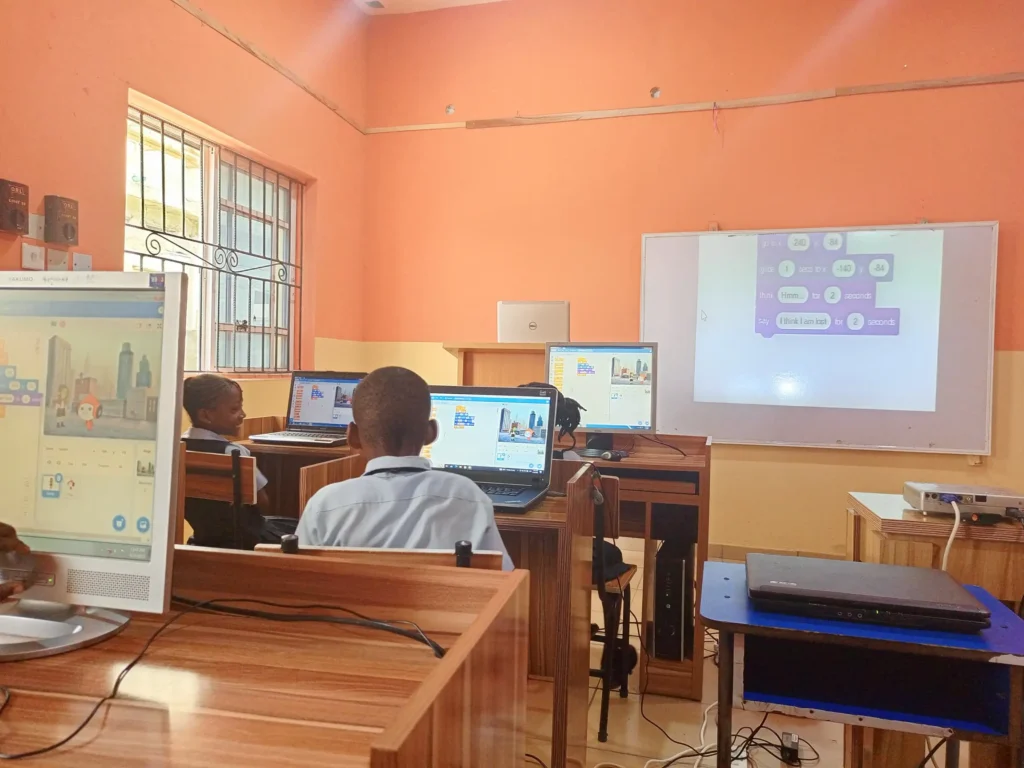
This is one of the reasons I am passionate about coding and technology education. Coding teaches students how to break down complex challenges, think logically, test ideas, learn from mistakes, and develop solutions.
These abilities extend far beyond technology and can benefit learners in every area of life.
Looking Beyond Grades
Academic excellence remains important, but it should not be the sole measure of success.
The most successful individuals often combine strong academic foundations with the ability to think critically, communicate effectively, solve problems, adapt to change, and leverage technology.
As parents, educators, and mentors, our responsibility is not only to prepare students for examinations but also to prepare them for life.
The future will belong to learners who can continuously learn, innovate, collaborate, and create value in a rapidly evolving world.
By intentionally developing these skills alongside academic achievement, we can help young people become confident, capable, and future-ready citizens equipped to thrive in whatever path they choose.