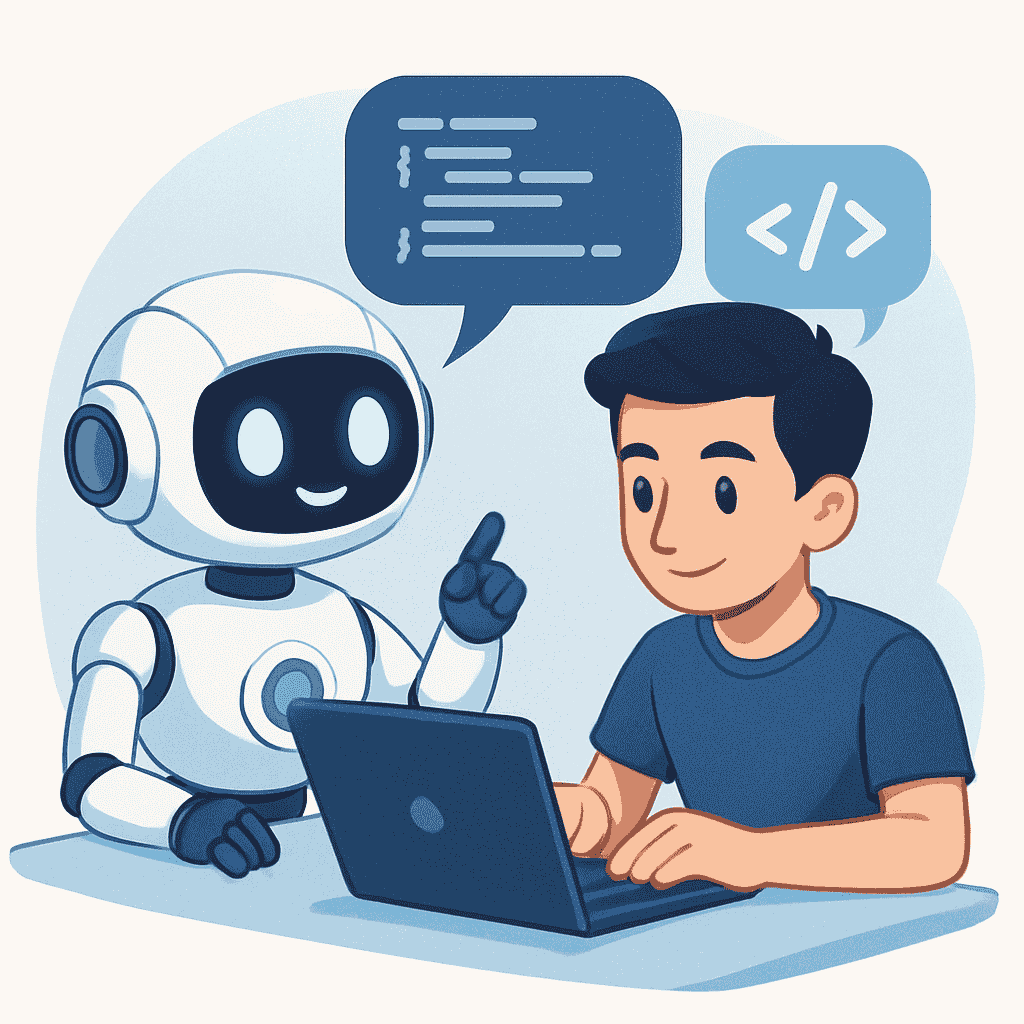
Artificial Intelligence is quickly becoming one of the most influential technologies of our time.
From voice assistants and recommendation systems to educational tools and content creation platforms, AI is already shaping how we work, communicate, learn, and solve problems.
As these technologies become more common, many parents are beginning to ask an important question:
What does Artificial Intelligence mean for my child?
The answer is simple: AI will play a significant role in the future your child grows up in. Understanding it is no longer just for technology professionals. It is becoming important for parents, educators, and young learners as well.
What Is Artificial Intelligence?
Artificial Intelligence, often called AI, refers to computer systems that can perform tasks that typically require human intelligence.
These tasks may include:
- Understanding language
- Recognizing images
- Answering questions
- Making recommendations
- Generating content
- Solving problems
Many children already interact with AI every day without realising it.
Examples include:
- YouTube recommendations
- Netflix suggestions
- Voice assistants
- Search engines
- Educational learning platforms
- AI-powered chatbots
AI is already part of their world.
Why Parents Should Pay Attention
Just as previous generations needed to understand computers and the internet, today’s children need a basic understanding of Artificial Intelligence.
AI will influence:
- Education
- Careers
- Business
- Healthcare
- Entertainment
- Communication
Children who understand how these technologies work will be better prepared to use them effectively and responsibly.
AI Is a Tool, Not a Threat
Many discussions about AI focus on fear.
Will AI take jobs?
Will AI replace people?
Will AI make learning too easy?
While these are valid questions, I believe it is more helpful to view AI as a tool.
Like any tool, its value depends on how it is used.
When used responsibly, AI can help children:
- Learn faster
- Explore new ideas
- Improve creativity
- Access information
- Build projects
- Develop problem-solving skills
The goal should be teaching children how to use AI wisely rather than avoiding it altogether.
Teach Children to Think Critically
One of the most important lessons children must learn is that AI is not always correct.
AI systems can make mistakes.
They can generate inaccurate information.
They can provide incomplete answers.
For this reason, children should be encouraged to:
- Verify information
- Ask questions
- Compare sources
- Think critically
The ability to evaluate information will become increasingly valuable in an AI-driven world.
Creativity Still Matters
Some parents worry that AI will reduce creativity.
In reality, creativity may become even more important.
AI can generate ideas, but humans provide imagination, context, judgment, and innovation.
Children should continue developing:
- Writing skills
- Communication skills
- Creative thinking
- Problem-solving abilities
- Collaboration skills
These human-centred abilities will remain valuable regardless of technological advancements.
Introduce AI Through Learning
Parents do not need to become AI experts.
Instead, they can encourage curiosity.
Children can begin learning:
- What AI is
- How AI works
- Where AI is used
- Ethical considerations
- Responsible use of technology
Age-appropriate exposure helps remove fear while building understanding.
The Future Belongs to Learners
Artificial Intelligence is not replacing the need for learning.
If anything, it is increasing its importance.
The future will belong to people who can:
- Learn continuously
- Adapt to change
- Think critically
- Solve problems
- Work with technology effectively
These are the skills that will help children thrive in an AI-powered world.
Preparing Children for an AI-Powered Future
The conversation about AI should not be centred on fear.
It should be centred on preparation.
Parents have an opportunity to help children understand emerging technologies while also teaching responsibility, ethics, creativity, and critical thinking.
AI will undoubtedly shape the future.
The question is not whether children will encounter it.
The question is whether we are preparing them to use it wisely.
By helping children understand and engage with Artificial Intelligence today, we can equip them with the confidence and skills needed to navigate the opportunities of tomorrow.